Regular maintenance checks can help identify small faults that could escalate into substantial repair costs. For instance, neglecting a simple fluid leak may ultimately cause engine damage, which is far more expensive to fix. Inspect fluid levels, including oil, coolant, and transmission fluid, routinely to ensure efficiency and longevity.
Another common oversight is wear and tear on brake pads. Delaying their replacement can damage rotors and lead to more extensive braking system issues. Monitor the performance of braking components closely, looking for signs of squeaking or reduced responsiveness. Addressing these signs can save significant dollars in the long run.
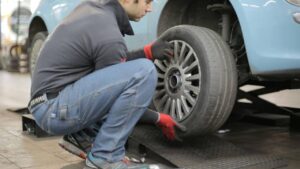
Tire conditions are often overlooked but are critical for both safety and performance. Underinflated or worn tires can affect handling and fuel efficiency. Regularly check tire pressure and tread depth, replacing them when necessary to avoid costly alignment or suspension issues.
Common Warning Signs You Shouldn’t Ignore
Pay attention to unusual sounds coming from your engine. If you notice knocking, ticking, or grinding noises, it may indicate engine wear or failing components that require immediate attention.
If the warning lights on your dashboard illuminate, such as the check engine or oil pressure light, don’t dismiss them. These signals often point to underlying issues that, if left unaddressed, might escalate into costly interventions.
Watch for changes in performance. Noticeable loss of power, hesitations while accelerating, or difficulty starting can signify fuel system or ignition issues that demand prompt investigation.
A sudden drop in fuel efficiency can also hint at faulty sensors or leaks in the exhaust system. Addressing this early can help avoid complex fixes later.
If you experience steering difficulties or vibrations while driving, inspect your suspension and steering components. Ignoring these signs might lead to more severe handling problems down the line.
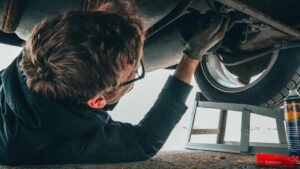
Unexplained fluid leaks beneath your car are red flags. Check for coolant, oil, or transmission fluid puddles, as they can indicate serious leaks that necessitate thorough examination.
Pay attention to your brakes. If you notice squeaking, grinding, or a spongy feel when pressing the brake pedal, it is critical to have your braking system evaluated immediately.
Lastly, keep an eye on your tires. Uneven wear or a constant need for inflation can signal alignment or suspension issues. Regular checking can prevent further complications with your ride.
The Cost-Benefit Analysis of Timely Repairs
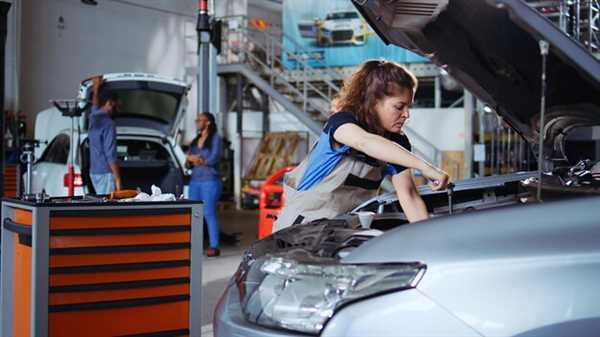
Addressing issues immediately can save significant expenses in the long run. For instance, a small oil leak can lead to engine damage if not resolved swiftly. Regular inspections and maintenance help identify such leaks early, preventing costly engine repairs that could reach thousands of dollars.
By investing in prompt fixes, owners can maintain their automobiles in top condition. Consider brake wear; replacing brake pads can run around $150, while neglecting this task may result in rotor damage costing upwards of $500 or more to replace.
Additionally, ignoring tire issues like uneven wear may lead to suspension system failure, which may exceed $1,000 in repair costs. Proper alignment and timely tire rotations, on the other hand, require a fraction of that expense.
Routine maintenance such as fluid changes or filter replacements costs a few hundred dollars annually, but a neglected cooling system can result in overheating and engine replacement, potentially costing $4,000 or more.
By staying vigilant about these matters, individuals can ensure their automobiles operate smoothly and avoid the financial strain associated with extensive repairs. Regular check-ups can be a cost-effective measure, providing peace of mind and enhancing safety on the road.
Maintenance Tips to Prevent Major Failures
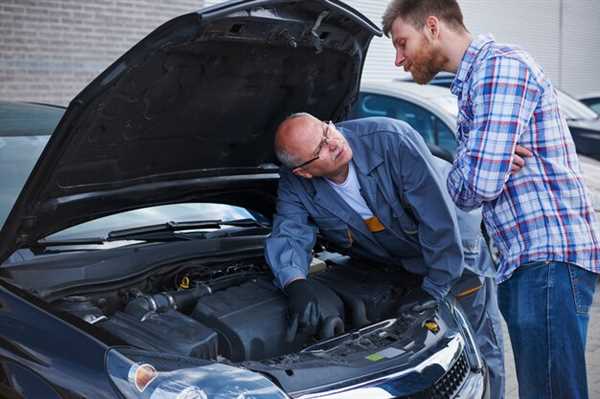
Check fluid levels regularly, including oil, coolant, and brake fluid. Inadequate fluids can cause overheating and damage over time.
Inspect tires for wear and maintain proper air pressure. Uneven wear may indicate alignment issues, which can lead to suspension damage.
Replace filters as recommended. Clogged air and fuel filters can affect engine performance, potentially resulting in expensive fixes.
Pay attention to unusual noises or vibrations while driving. Early detection of these signs can prevent more serious malfunctions.
Examine belts and hoses for signs of wear, such as cracks or fraying. Replacing them at the first signs of deterioration can prevent engine failure.
Follow a regular schedule for brake inspections. Worn brake pads or fluid leaks can lead to significant safety concerns and further issues.
Keep the battery terminals clean and check for corrosion. A weak battery can lead to starting problems and may affect other electronic components.
Maintain a clean engine bay. Dirt and debris can cause components to overheat and fail prematurely.
Ensure that wiper blades are in good condition for clear visibility. Poor performance can lead to accidents and potential repairs.
Regularly check the exhaust system for leaks or rust. Neglecting this can cause engine complications and reduced efficiency.