Integrating cutting-edge functionalities into your vehicle is a smart move for any driver. These enhancements not only streamline everyday tasks but also elevate the overall satisfaction associated with operating a car.
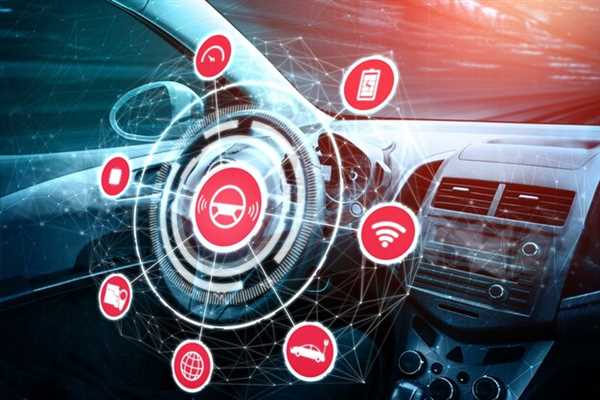
Modern systems are designed to provide seamless connectivity with smartphones, allowing for hands-free control and instant access to navigation, music, and communication tools. This connectivity reduces distractions and allows for a more focused approach while on the road.
Additionally, features such as adaptive cruise control and lane-keeping assistance significantly improve safety, enabling more relaxed and confident handling of various driving scenarios. These innovations work together to create an environment that prioritizes both enjoyment and safety, making each ride more enjoyable.
Investing in a vehicle equipped with these advancements is a wise decision. The newfound ease and pleasure during commutes or long trips will have a noticeable impact on driving routines, making each journey memorable.
Enhancing Safety Features Through Advanced Vehicle Technology
Incorporate adaptive cruise control to maintain safe distances from other automobiles. This system automatically adjusts speed based on traffic conditions, enhancing reaction time and minimizing the risk of collisions.
Use lane-keeping assistance to prevent unintended lane departures. This feature actively monitors lane markings and provides steering guidance, ensuring that drivers stay centered within their lanes.
Implement automatic emergency braking to detect potential obstacles. When a hazard is identified, the vehicle can apply brakes autonomously, significantly reducing stopping distances and mitigating accidents.
Leverage blind-spot monitoring systems to alert operators to hidden vehicles. This function utilizes sensors to spot cars in hard-to-see areas, minimizing the chance of unsafe lane changes.
Integrate advanced parking assistance solutions. These systems not only help drivers park in tight spaces but also offer 360-degree views and obstacle detection, ensuring a more secure parking experience.
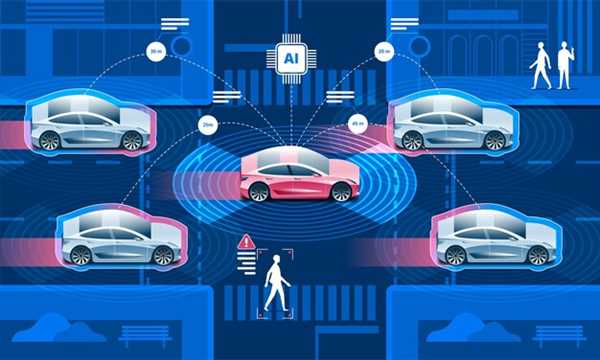
Utilize vehicle-to-vehicle communication. This capability allows cars to share real-time data about their surroundings, enhancing situational awareness and preventing collisions before they occur.
Adopt high-definition cameras and radar systems for improved visibility. Enhanced imaging aids in identifying pedestrians, cyclists, and other vulnerabilities in various lighting and weather conditions.
Encourage regular software updates to keep safety features current. Keeping systems upgraded ensures access to the latest improvements and capabilities in vehicle safety.
Improving Navigation and Connectivity in Modern Vehicles
Integrate real-time traffic updates through GPS systems, significantly enhancing route efficiency. Utilize mobile apps linked to the vehicle’s interface for seamless communication regarding delays and alternative paths.
Implement voice-assisted navigation features to minimize distractions while controlling routes. This allows for hands-free adjustments, keeping focus on the road ahead.
Encourage the use of smartphone connectivity for access to preferred navigation apps, enhancing personalization in route planning and providing user-friendly interfaces.
Leverage advanced mapping software that offers lane guidance and interactive features, facilitating a smoother travel experience.
Invest in internet connectivity via in-car Wi-Fi to allow passengers to stay informed with real-time updates and entertainment, enhancing the overall satisfaction during trips.
Adopt over-the-air updates to continually improve navigation systems and software functionality, ensuring vehicles remain at the forefront of real-time information management.
Integrate vehicle-to-vehicle communication capabilities to enhance safety by alerting drivers to potential hazards ahead, greatly contributing to a secure travel environment.
Personalizing the Driver Experience with Smart Technology
Integrate voice recognition systems into your vehicle to enhance interaction. Such systems allow drivers to control functions hands-free, minimizing distraction and maximizing comfort.
Utilize adaptive seating technology that adjusts to individual body types and driving preferences. This feature ensures optimal support and comfort during movement.
Implement AI-based infotainment systems that learn from driver habits and preferences. This personalization allows for tailored recommendations for music, routes, and even climate settings, improving enjoyment while commuting.
Incorporate biometric sensors that monitor driver performance and health. This data can trigger alerts or suggestions, ensuring safety and promoting a more responsive driving environment.
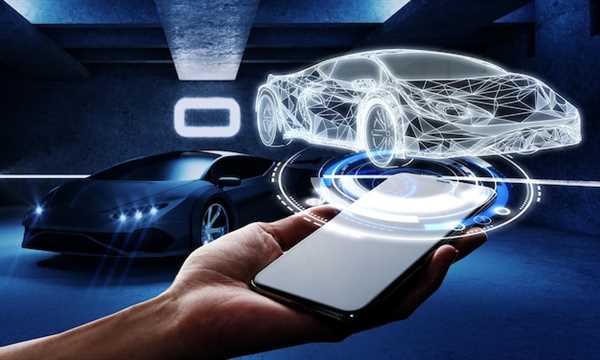
Leverage mobile applications that sync with your automobile to customize settings remotely. Features like pre-conditioning the cabin or adjusting seating positions before entering can provide a seamless experience.
Consider incorporating augmented reality displays to present navigation information directly onto the windshield. This innovation allows drivers to stay focused on the road while receiving critical information.
Explore customizable ambient lighting within the cab, allowing drivers to set the mood according to their preferences. Such elements enhance the overall aesthetic and comfort of the vehicle.
Make use of geofencing capabilities to tailor alerts and features based on location. For instance, reminders about fuel stops or suggestions for nearby services can increase convenience throughout travel.