A peeling exterior paint can signal underlying moisture issues. Ignoring this could lead to structural damage and higher costs in the future. Regular inspections are recommended to keep this from escalating.
Water stains on ceilings and walls often indicate leaks. Identifying the source promptly is vital to prevent mold growth and further water damage, which can compromise both health and property value.
Cracks in walls or foundation may suggest settling or shifting. These issues shouldn’t be overlooked, as they may lead to serious safety hazards. Consulting with a specialist for evaluation is wise, especially if the cracks widen over time.
Heating or cooling systems that perform inconsistently might need immediate attention. Inefficient operation can lead to soaring energy bills and potential system failure, requiring costly replacements.
Unexpected noises from plumbing or appliances can be a red flag. Addressing strange sounds may reveal minor issues before they grow into extensive repairs or replacements, ensuring the longevity of your systems.
Identifying Water Damage: Visible and Hidden Indicators
Look for discoloration on walls and ceilings, which often indicates moisture intrusion. Peeling or bubbling paint can also signal underlying issues.
Check for warped floors; if wood seems swollen or laminate planks are lifting, water might be accumulating underneath.
Damp odors are another warning. A musty smell typically suggests mold growth, usually linked to water problems.
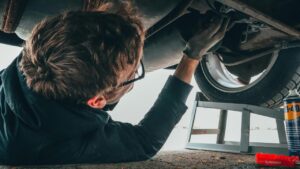
Inspect your car’s undercarriage for rust; similar corrosion patterns can appear in your living space due to hidden leaks.
Pay attention to consistently high water bills, hinting at undetected leaks within pipes or fixtures.
Look for mold spots, often green or black, which thrive in damp environments and indicate persistent moisture. This should not be taken lightly.
Conduct a thorough evaluation of basement and attic areas, where hidden water intrusion frequently occurs.
Streaks on exterior walls can suggest systemic issues that may arise from gutters or faulty roofs, potentially leading to more significant damage.
Use a moisture meter to quantify humidity levels; readings above predetermined thresholds indicate potential water issues.
Feeling soft spots on walls or floors may reveal structural weaknesses caused by prolonged exposure to moisture.
Monitor your property after heavy rains, as new leaks might surface, acting as preemptive alerts for future complications.
Understanding Structural Integrity: When to Seek Immediate Help

Cracks in the walls or foundation can indicate shifting or settling, prompting immediate evaluation by a qualified inspector. Pay close attention to doors and windows that stick or fail to open easily; this could suggest structural movement.
Water stains on ceilings and walls often signal leakage that compromises integrity. Look out for sagging ceilings or floors, as these may point to serious support issues, requiring urgent intervention.
Unusual noises, such as creaks or pops, frequently arise from unstable structures. If you notice significant gaps between walls and ceilings, this represents a warning about potential failure. Keep an eye on exposed beams or rafters; any signs of warping or mold demand immediate attention.
Foul odors, especially those associated with moisture, can indicate damage from pests or water intrusion, both of which weaken structural components. Professional assessment is critical in these scenarios to prevent further deterioration.
Recognizing Warning Signs in Car Repairs: Common Issues to Address
Check engine light indicates a malfunction that requires attention. Ignoring this can lead to more extensive damage. Regular diagnostics can pinpoint the issue quickly.
Unusual noises from the engine or brakes, such as grinding or squeaking, often signal worn-out components. Investigating these sounds early can prevent larger repair costs.
Fluid leaks beneath the vehicle can point to problems with oil, coolant, or transmission fluid. Addressing these leaks immediately can safeguard crucial systems.
Poor handling or vibration while driving may suggest issues with alignment or suspension. Timely adjustments help maintain safety and performance.
Increased fuel consumption might reveal underlying problems with the fuel system or engine efficiency. Identifying the cause can mitigate higher expenses at the pump.
Smoke or strange odors often indicate serious issues like overheating or electrical faults. Investigating these as soon as noticed ensures safety and reliability.
Dash warning lights serve as indicators for various systems. Ignoring them can lead to compounded problems, so examining them is wise.
Regular maintenance checks can substantially reduce the risk of unexpected breakdowns, ensuring the car remains in good working order.