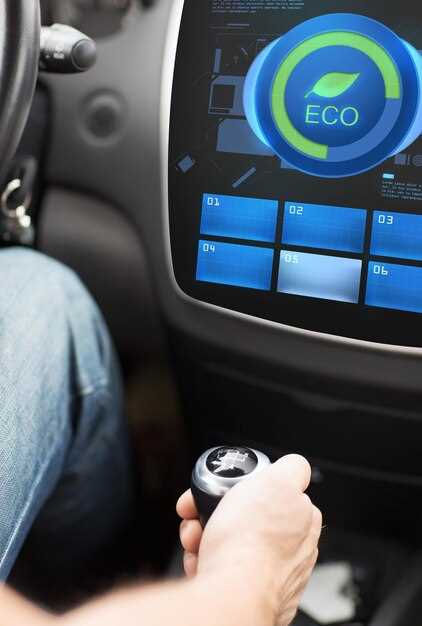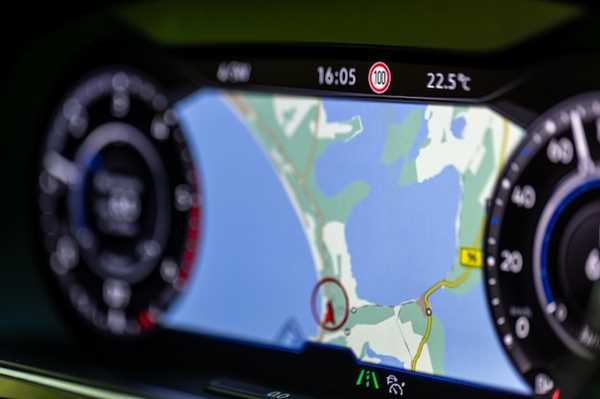
Implementing advanced detection devices in today’s mobility solutions leads to enhanced safety and performance metrics. These technologies provide real-time data to monitor critical vehicle parameters, from engine efficiency to tire pressure. Manufacturers should prioritize integrating cutting-edge detection systems to adapt swiftly to fluctuating consumer expectations and regulatory requirements.
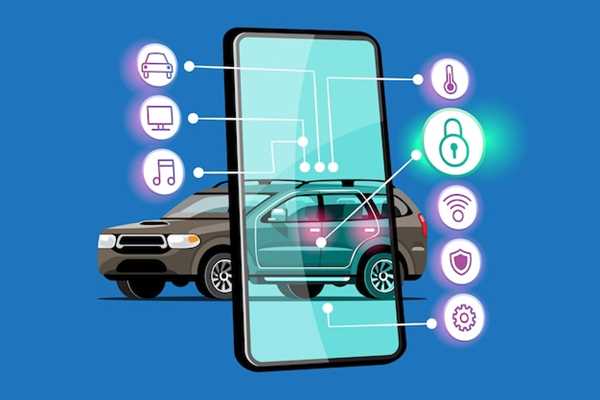
Applications leveraging gathered information transform how operators interact with their machines. Navigation aids and diagnostic tools improve user experience and facilitate predictive maintenance strategies. By promoting the use of these applications, companies can enhance reliability and reduce downtime, ultimately shaping a more resilient automotive industry.
Investing in research and development for intelligent technologies will ensure that companies remain competitive in an increasingly sophisticated marketplace. Collaboration with tech specialists can yield solutions tailored to emerging demands and driving conditions, creating a promising future for mobility. Testing capabilities should include extensive trials to ascertain the robustness of these enhancements for various driving environments.
How Vehicle Sensors Enhance Safety Features
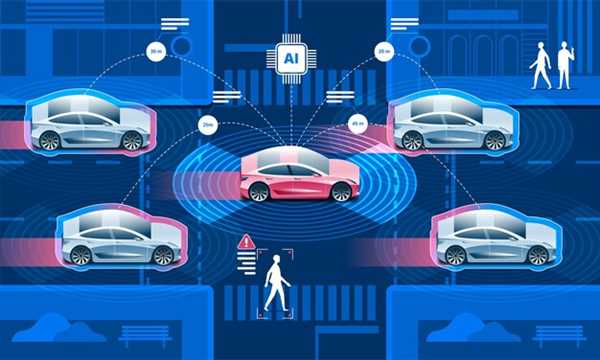
Integrating advanced perception tools significantly boosts protection systems. Collision warning technology actively monitors surroundings, alerting drivers to potential hazards. This proactive measure reduces accident rates by providing critical information in real-time.
Additionally, adaptive cruise control utilizes various detectors to maintain a safe distance from other automobiles. The embedded intelligence allows adjustments based on traffic conditions, minimizing the likelihood of rear-end collisions.
Lane-keeping assistance employs high-definition cameras to track lane markings, ensuring drivers stay centered. Should the vehicle veer unintentionally, corrective actions are initiated, guiding it back on course.
Night vision systems, leveraging infrared imaging, detect pedestrians or animals long before they’re visible to the naked eye. This feature grants extra time for response, enhancing nighttime travel safety.
Integrating communication networks among vehicles allows for immediate alerts about road conditions or accidents ahead. This information equips drivers to make informed decisions, reducing risks associated with sudden changes in traffic patterns.
Automated emergency braking detects potential collisions and applies brakes autonomously if drivers fail to respond. This technology acts as a final line of defense, significantly lowering impact severity in critical situations.
Relying on cutting-edge algorithms, these innovative tools adapt continuously, improving their performance over time. Regular software updates ensure safety features remain state-of-the-art, addressing new challenges that may arise.
Investing in vehicles equipped with these advanced capabilities enhances overall safety and driving experience, providing confidence on the road.
Integrating Software for Real-Time Data Analysis in Vehicles
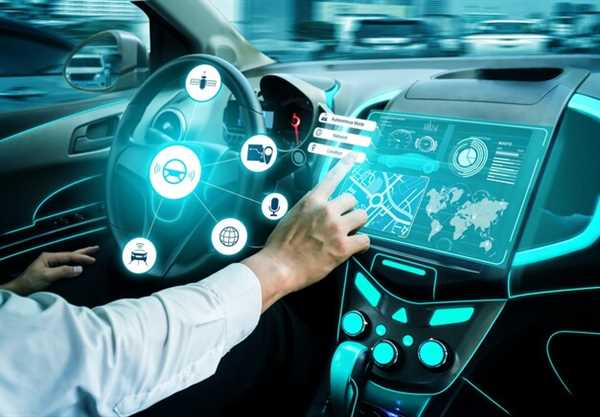
Adopt a modular software architecture to streamline real-time data processing in automobiles. Utilize microservices that can independently handle different functionalities, enabling seamless updates and scalability.
Implement advanced algorithms such as machine learning for predictive analytics, allowing for dynamic adjustments based on driver behavior and road conditions. This approach enhances safety and fuel efficiency.
Ensure robust data transmission protocols are in place to facilitate instant communication between various system components. Prioritize low-latency networks to minimize delays in information exchange.
Incorporate cloud computing solutions to manage large volumes of data generated during operation. This offloads processing tasks from on-board systems, ensuring that vehicles can maintain performance while analyzing feedback.
Accelerate development cycles by using simulation tools and test environments, which allow for rapid prototyping and iteration of new features without impacting real-world safety or reliability.
Establish a secure data management framework to protect sensitive information. Implement encryption techniques and intrusion detection systems to safeguard against potential cyber threats.
Utilize user-friendly interfaces for real-time data visualization, providing drivers with actionable insights. Display crucial metrics such as engine performance and navigation updates clearly and intuitively.
Regularly update software to incorporate emerging technologies and address vulnerabilities. This practice helps maintain optimal performance and extends the operational lifespan of the vehicle.
The Role of Sensors in Autonomous Driving Technology
Positioning is critical for autonomous driving systems. Utilizing GPS, LIDAR, and cameras enables accurate vehicle localization, which in turn enhances navigation capabilities.
Object detection relies heavily on advanced imaging and ranging devices. LIDAR creates a detailed 3D map of surroundings, while camera systems provide visual analysis for identifying obstacles, traffic signals, and road markings. Implementing both types ensures redundancy and reliability, reducing risks associated with singular technology failure.
Data fusion is a fundamental technique that integrates information from various sources. Combining readings from ultrasonic devices with radar outputs enhances object perception, offering a more comprehensive understanding of the environment. This multilayered approach significantly improves decision-making processes.
Real-time processing of data demands robust algorithms. Complex computing tasks require sophisticated programs that can interpret data from these devices almost instantaneously. Edge computing solutions allow processing closer to the source, reducing latency and enabling quicker responses to dynamic situations.
Testing environments, such as simulators, play an essential role in validating sensor performance. By creating numerous scenarios, developers can assess vehicle reactions to diverse conditions and refine algorithms before deployment.
Collaboration between hardware manufacturers and software engineers is vital. Developing specialized components that seamlessly integrate with sophisticated programs optimizes performance, ensuring vehicles operate smoothly in various conditions while adhering to safety standards.