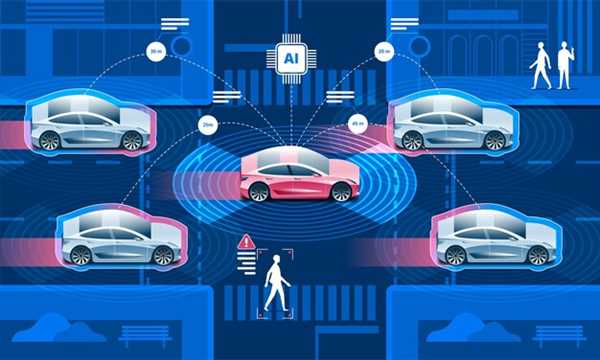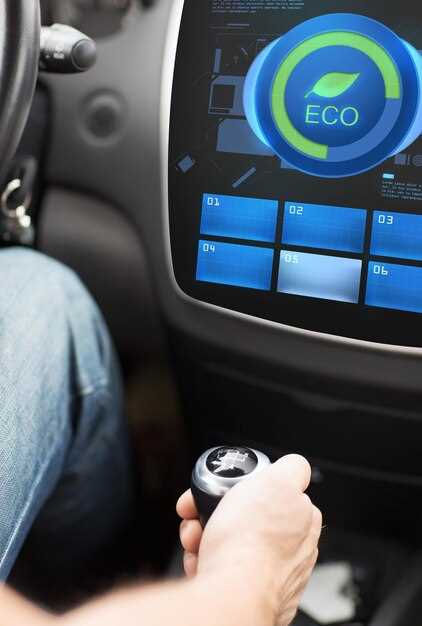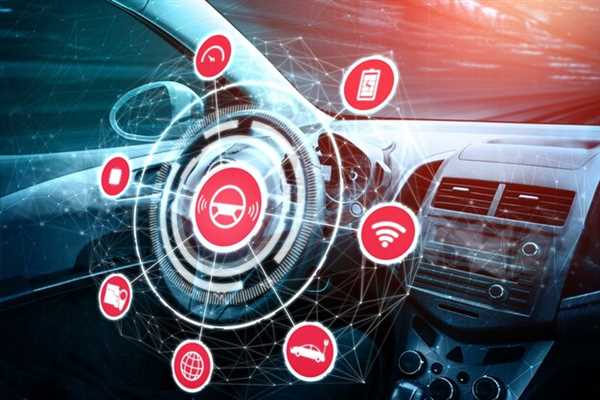
Leverage intelligence and data analytics to revolutionize the way automotive entities approach engineering challenges. By integrating artificial intelligence into the workflow, organizations can enhance performance, design aesthetics, and safety measures.
Utilize machine learning algorithms to analyze consumer preferences, ensuring that new models not only meet but exceed market expectations. This predictive capability allows for the creation of vehicles tailored to emerging trends, significantly increasing competitiveness.
Incorporate AI-driven simulations during the prototyping phase to minimize costly revisions, leading to a more streamlined development process. Employing advanced computational tools transforms the traditional design phase, ensuring accurate predictions of vehicle dynamics and ultimately enhancing driver experience.
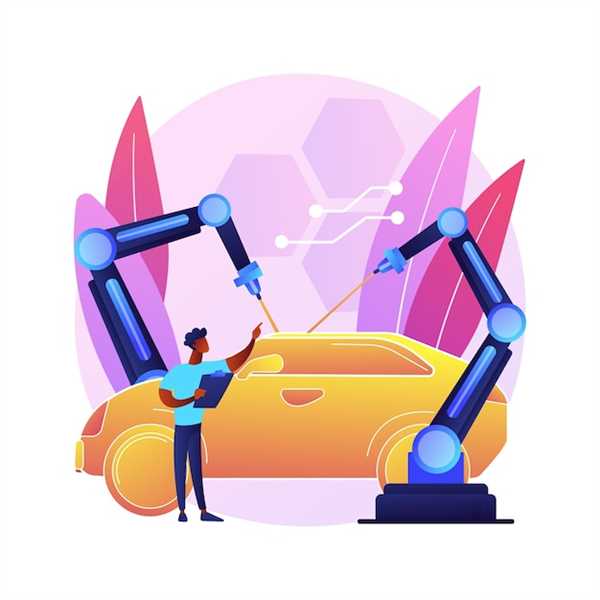
Furthermore, explore the potential of AI in automating manufacturing processes. Intelligent robotics can improve precision and reduce production time, leading to higher output without sacrificing quality. This shift not only benefits manufacturers but also paves the way for more sustainable practices within the industry.
As automotive innovators embrace these advanced techniques, the landscape of car creation will witness unprecedented advancements. The convergence of artificial intelligence with engineering expertise sets the stage for remarkable breakthroughs in functionality and user satisfaction.
Integrating AI for Enhanced Safety Features in Automotive Design
Utilize artificial intelligence to implement real-time monitoring systems that continuously assess vehicle conditions and driver behaviors. These systems can detect distractions or fatigue, alerting the driver to take necessary actions. Machine learning algorithms can analyze driving patterns, providing insights to enhance user awareness and overall road safety.
Implement advanced sensor technology in conjunction with intelligent systems. By integrating radar, lidar, and camera sensors, vehicles can react swiftly to potential hazards. AI can process this data instantaneously, facilitating functions like automatic braking or lane-keeping, minimizing accident risks.
Incorporate adaptive cruise control systems powered by artificial intelligence. This feature analyzes traffic conditions and adjusts speed accordingly, helping maintain safe distances between vehicles. Enhancing this technology with predictive analytics allows for better anticipation of traffic flow changes, further increasing safety.
Leverage AI-driven predictive maintenance tools to monitor vehicular health. These systems can forecast mechanical issues before they become critical, thereby preventing failures that could lead to accidents. By ensuring optimal functionality, manufacturers can enhance occupant safety.
Employ intelligent navigation systems that utilize AI to recommend safer routes, avoiding areas with high accident rates or inclement weather conditions. This proactive approach assists drivers in making safer journey choices.
Integrate vehicle-to-vehicle (V2V) communication founded on artificial intelligence principles. This approach allows vehicles to share data about their surroundings, conveying alerts on potential dangers, thus reducing the likelihood of collisions.
Regularly update safety algorithms through over-the-air (OTA) software updates. This practice ensures that vehicles benefit from the latest developments in automotive AI, fostering continuous improvement in safety protocols.
Consider user feedback in the AI training process. Collecting and analyzing real-world data helps enhance the accuracy of predictive models, creating a more responsive safety system tailored to diverse driving environments.
Leveraging AI-Driven Materials for Lightweight Vehicle Construction

Implement artificial intelligence to analyze and synthesize materials that enhance strength while reducing weight. Explore advanced composites, such as carbon fiber reinforced thermoplastics, which AI can help formulate for optimal performance. Use machine learning algorithms to predict the mechanical properties of these materials under various conditions, allowing manufacturers to select the best options for structural applications.
Collaborate with AI tools to simulate stress tests on innovative alloys, optimizing the compositions for lightweight yet durable outcomes. Consider utilizing generative design software that employs AI to propose unique shapes and structures that minimize material use while maintaining integrity, leading to a significant reduction in overall mass.
Integrate smart manufacturing processes guided by AI to streamline the production of these advanced materials. Automated systems can monitor and control the fabrication process, ensuring consistency and reducing waste. Implement predictive maintenance technology for machinery involved in material processing to enhance operational reliability.
Utilize AI in the recycling of existing automotive components, creating lightweight materials from recovered resources that meet rigorous safety standards. This not only contributes to sustainability but also provides a competitive edge through reduced costs and material availability.
Incorporate AI-driven analysis for real-time performance monitoring of vehicles using lightweight materials. This data can inform future iterations of material selection and manufacturing processes, driving continuous enhancement in automotive engineering.
Utilizing AI Algorithms for Optimized Energy Efficiency in Electric Vehicles
Implement machine learning models to analyze driving patterns. These algorithms can predict energy usage based on individual behavior, allowing for personalized recommendations to enhance energy savings.
Incorporate predictive maintenance systems using AI to monitor battery health and energy consumption in real-time. This data-driven approach allows for proactive management of power efficiency and extends the longevity of components.
Utilize reinforcement learning for dynamic energy management. This technique can adjust power distribution among motors and systems based on real-time conditions, optimizing performance during various driving scenarios.
Leverage AI-driven simulations to refine aerodynamic profiles. By using computational fluid dynamics and machine learning, manufacturers can fine-tune vehicle shapes that minimize drag, thus improving range.
Integrate AI-based route optimization to suggest paths that conserve energy. Advanced algorithms can analyze traffic patterns and elevation changes, leading to suggestions that reduce overall power consumption during travel.
Adopt neural networks for battery management systems. These systems can accurately predict charge cycles and discharge rates, enhancing the efficiency of energy use while maximizing driving range and minimizing energy loss.
Employ computer vision to facilitate energy-efficient driving. AI can analyze road conditions and traffic flow in real-time, aiding drivers in making instant decisions that positively impact energy usage.
Implement AI-assisted user interfaces that provide real-time feedback on energy consumption. By showing real-time efficiency metrics, drivers can adapt their behavior for optimal energy savings.